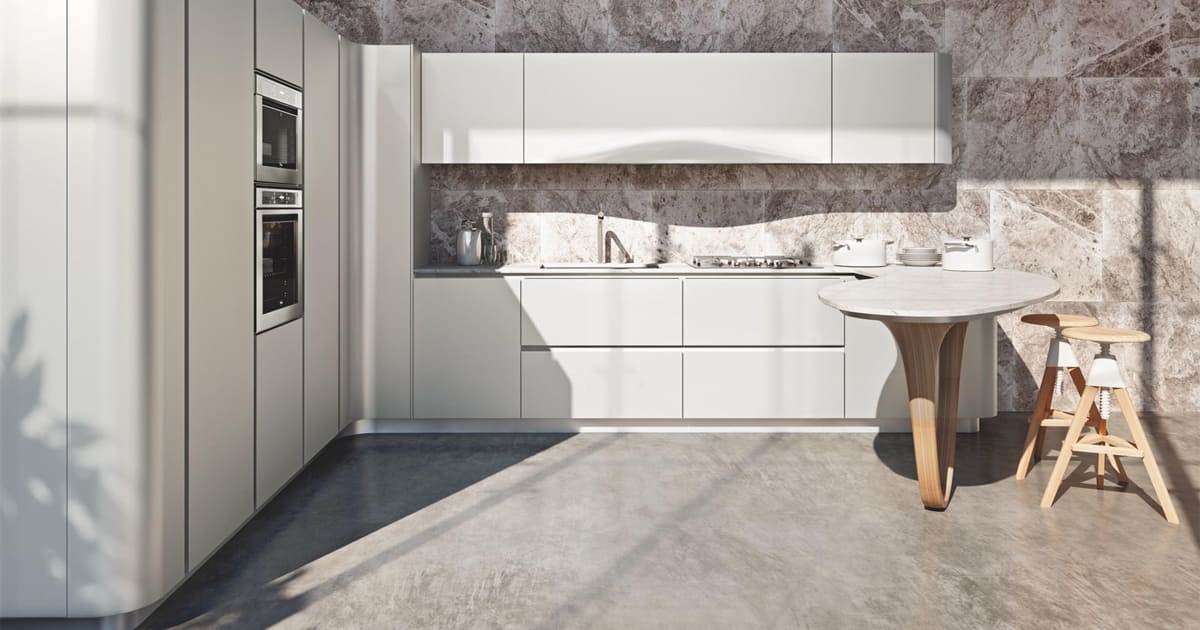
Kitchen Door Facades: Materials, Finishes & Design Guide
Kitchen door facades define much of what we immediately perceive about a kitchen. Because cabinet doors and drawer fronts occupy such a large visual surface, their proportions, materials, colors, textures, and opening systems establish the character of the entire composition. In a luxury kitchen, however, selecting the right facade is not simply an aesthetic decision. It also influences functionality, visual continuity, maintenance, and the relationship between the kitchen and the surrounding architecture.
For homeowners, architects, and interior designers seeking a more refined approach, the Snaidero kitchen collections demonstrate how Italian design transforms kitchen fronts into architectural elements. Through carefully considered proportions, sophisticated finishes, customization, and functional innovation, each composition can be tailored to the residence’s character and how its occupants live.
What Are Kitchen Door Facades?
Kitchen door facades refer to the visible fronts applied to cabinets, drawers, tall storage units, and other elements within a kitchen composition. They form the kitchen’s outer architectural skin and play a central role in shaping whether the room feels minimal, warm, dramatic, traditional, or distinctly contemporary.
Facades may also visually integrate certain appliances, allowing refrigeration, dishwashing, or storage elements to participate in the same overall composition. Side panels and other coordinated surfaces can further extend this visual continuity, particularly when cabinetry is visible from several areas of an open living space.
The facade therefore has two simultaneous responsibilities. It must perform comfortably during daily use while also creating a coherent architectural identity.
Why Kitchen Facades Matter in a Luxury Interior
In high end residential design, cabinetry cannot be treated as a purely functional object. Its surfaces remain constantly visible and influence the perception of the entire room.
A well designed facade controls visual rhythm through door dimensions, alignments, vertical and horizontal lines, material transitions, and the position of handles or integrated opening profiles. Even subtle differences in proportion can determine whether a composition feels balanced or visually fragmented.
This becomes especially important in contemporary Texas residences, where kitchens frequently share sightlines with dining rooms, living areas, terraces, and other social spaces. When the kitchen is visible from much of the home, the facade becomes part of the interior architecture rather than simply the front of a cabinet.
Choosing the Right Kitchen Door Style
Door construction immediately affects a kitchen’s personality. Rather than selecting a style in isolation, it is useful to consider how its geometry relates to the architecture, furniture, flooring, lighting, and scale of the residence.
Slab Kitchen Door Facades
Slab fronts create a clean, uninterrupted surface and are particularly effective in modern and minimalist interiors. Their visual simplicity shifts attention toward proportion, material, color, and precision.
Because the facade contains little decorative interruption, alignment becomes especially important. Rows of drawers, tall cabinets, wall units, and integrated appliances need to form a disciplined composition.
A slab facade can appear understated in a neutral matte finish or more expressive in a rich wood veneer, glossy lacquer, deep color, or metallic effect. The simplicity of the geometry allows the material itself to become a major part of the design.
Framed Kitchen Doors
Framed fronts introduce additional depth and architectural detail. Although often associated with more traditional interiors, the concept can be interpreted in a contemporary way through restrained proportions, sophisticated colors, and simplified profiles.
This makes framed cabinetry suitable for homeowners who want a kitchen with greater visual articulation without moving toward an overly decorative aesthetic.
In transitional interiors, a carefully designed frame can also create a bridge between classical architectural references and contemporary furniture.
Textured and Sculptural Facades
Texture introduces another level of expression. Linear detailing, grooves, dimensional surfaces, or distinctive material patterns interact strongly with light and can give cabinetry a more tactile presence.
These facades are particularly effective when used selectively. A textured island, a wall of tall cabinets, or another defined architectural volume can become a focal point while smoother surrounding surfaces maintain balance.
The objective should not be to make every surface visually active. Luxury design often depends on the contrast between expressive elements and quieter architectural planes.
Glass and Display Elements in Kitchen Facades
Glass introduces transparency and visual lightness into a composition dominated by solid cabinetry. It can transform storage into display and create a more furniture oriented feeling within the kitchen.
Clear glass places the contents fully on view, making organization part of the aesthetic experience. More filtered glass treatments can soften visibility while still introducing depth, reflection, and changes in light.
Glass doors can be especially effective when combined with internal illumination. In the evening, these elements allow a kitchen to transition from a highly functional workspace into a more atmospheric part of the living environment.
Open shelving can create a similar sense of lightness, although it should be used thoughtfully. Because everything remains visible, open storage works best when the objects displayed contribute to the overall composition rather than introducing visual clutter.
Kitchen Door Materials and Finishes
The appearance of a kitchen facade depends on much more than color. How a material reflects light, reveals texture, responds to touch, and relates to surrounding finishes can dramatically change the room’s atmosphere.
Snaidero’s design language allows different materials and finishes to participate in the same architectural composition, depending on the selected collection and project specification. Lacquered surfaces, wood veneers, glass, and metal inspired details can create very different interpretations of contemporary Italian design.
Lacquered Kitchen Facades
Lacquer provides exceptional versatility because color and surface character can be used as primary design tools. A glossy lacquer reflects its surroundings and can amplify light, while a matte lacquer creates a softer, more restrained visual presence.
In a monochromatic kitchen, this difference in reflectivity can provide depth even when several surfaces share a similar color.
Deep colors can give cabinetry an architectural weight, while pale tones create a lighter and more expansive effect. The appropriate choice depends on room proportions, natural light, adjacent materials, and the intended mood.
Wood Veneer Kitchen Fronts
Wood veneer introduces warmth, natural variation, and tactile richness. Grain direction itself becomes a design element, especially across large islands or walls of tall cabinetry.
In contemporary interiors, wood does not necessarily imply a rustic or traditional appearance. When paired with precise geometry, restrained detailing, glass, lacquer, or metal elements, it can feel distinctly modern.
Wood is also particularly effective in open living environments because it can establish a visual relationship between kitchen cabinetry, flooring, furniture, and adjacent living spaces.
Metal and Metal Effect Details
Metallic surfaces can give kitchen facades a more architectural and sophisticated character. Depending on their finish and application, they may introduce reflection, depth, warmth, or a stronger sense of technical precision.
Metallic elements often work particularly well as accents rather than competing across every surface. A carefully placed profile, opening detail, panel, or focal volume can add contrast while maintaining the kitchen’s overall restraint.
Matte or Gloss Kitchen Door Facades?
Consider the choice between matte and gloss in relation to the entire room rather than as an isolated preference.
Gloss finishes interact actively with light. They reflect windows, fixtures, surrounding colors, and movement, giving the surface a more dynamic quality. In a bright Texas residence with large areas of glazing, this reflectivity can become an important part of the composition.
Matte surfaces create a quieter effect. They absorb more visual activity and can emphasize color and form rather than reflection. This often makes them particularly effective for larger cabinetry volumes.
The two finishes can also coexist. Combining matte and reflective surfaces within a controlled palette creates depth without introducing unnecessary colors. The result can feel sophisticated because visual variation comes from the material itself.
How Texas Light Influences Kitchen Facade Selection
Consider natural light almost like another material in the kitchen. It changes throughout the day and can significantly affect the appearance of colors, textures, wood grains, and reflective finishes.
This is especially relevant in Texas homes, where large windows and strong daylight frequently play an important role in residential architecture.
A glossy facade positioned opposite expansive glazing may become highly reflective, while a matte finish can create a calmer response to the same light. Wood grain may appear warmer at certain times of day, while darker finishes can reveal greater depth when balanced with sufficient illumination.
For this reason, finish selection should consider the orientation of the room, surrounding surfaces, artificial lighting, and the relationship between the kitchen and outdoor views.
Kitchen Door Colors and Visual Balance
Color should support the architecture rather than compete with it. No single color works for every kitchen facade because a palette’s success depends on light, scale, materials, and the surrounding interior.
White and pale neutral facades can emphasize light and architectural clarity. Warm neutrals can create a softer atmosphere. Gray and charcoal tones provide depth without necessarily becoming dominant. Richer colors can transform an island or cabinetry wall into a strong visual statement.
In luxury interiors, restraint is often more effective than excessive variety. A limited palette allows subtle variations in texture, gloss, wood grain, glass, and metal to become more visible.
This approach is particularly useful in open layouts, where the kitchen must remain visually compatible with the living and dining areas.
Opening Systems Are Part of the Facade Design
The way a cabinet opens influences both its appearance and the physical experience of using the kitchen. A handle is not merely an accessory. It changes the facade’s visual rhythm and how the hand interacts with it every day.
Integrated Opening Profiles
Integrated grip solutions and architectural channels keep the facade visually clean while still providing intuitive access. They are particularly appropriate for kitchens where long horizontal or vertical lines define the composition.
When the opening detail is coordinated with adjacent materials and profiles, it becomes part of the architectural language rather than an element applied afterward.
Handles as a Design Detail
A visible handle can provide contrast, rhythm, and character. Its dimensions, finish, position, and proportion should relate to the door, not simply follow a decorative trend.
On a restrained facade, a carefully chosen handle may become a deliberate point of emphasis. On a more expressive door surface, a quieter solution may allow the material to remain the primary feature.
How Kitchen Door Facades Relate to the Cabinets Behind Them
A beautiful facade is only one part of a successful cabinetry system. The structure, internal organization, storage configuration, hardware, and relationship between doors and drawers determine how effectively the kitchen performs.
When evaluating kitchen cabinets, it is therefore important to consider the facade and the internal system together. The exterior creates the architectural impression, while the cabinet interior supports storage, accessibility, organization, and everyday use.
Luxury emerges when these two aspects are resolved as one design problem. A visually minimal facade should not require storage compromises. Likewise, sophisticated internal organization should match the kitchen’s overall aesthetic.
Integrating Appliances into Kitchen Door Facades
Integrated appliances can play an important role in creating a visually continuous kitchen. When compatible appliances are concealed behind coordinated fronts, cabinetry can maintain uninterrupted architectural lines across larger surfaces.
This approach works especially well in open kitchens because it reduces the visual distinction between appliance zones and storage areas.
Not every appliance needs to disappear. In some interiors, a visible appliance can deliberately contribute to the composition through its material or design. The decision should depend on the architectural concept rather than on a rule that every functional element must be concealed.
The best results come from deciding on appliance integration early in the design process so door proportions, ventilation requirements, cabinetry dimensions, and surrounding panels can be coordinated correctly.
Creating Continuity Between Kitchen Facades and Living Spaces
Contemporary kitchens frequently share a single environment with dining and living areas. As a result, kitchen fronts need to function as part of a broader interior design strategy.
Continuity does not require repeating exactly the same finish throughout the room. A more sophisticated approach is to create visual relationships.
A wood veneer used on the kitchen island may relate to furniture in the living area. A dark lacquer can echo an architectural wall treatment. Metal details can connect cabinetry with lighting fixtures or furniture. Similar proportions can establish rhythm even when materials differ.
This allows the kitchen to maintain its identity while still belonging naturally to the entire home.
Custom Kitchen Door Facades and Personalization
Customization matters in luxury kitchen design because architecture, lifestyle, and personal taste vary significantly from one residence to another.
The same facade can produce a completely different effect depending on its color, dimensions, orientation, surrounding materials, and opening system. A large wall of cabinetry may require a quieter treatment, while an island can support greater visual expression.
The design process should therefore begin with the architecture rather than with a finish sample.
Important considerations include natural light, ceiling height, kitchen proportions, adjacent rooms, flooring, appliance placement, storage requirements, and how the homeowner intends to use the space.
Once these elements have been established, facade selection becomes part of a coherent design strategy rather than a purely decorative decision.
How to Mix Different Kitchen Door Finishes
A luxury kitchen does not need to use the same facade everywhere. Combining finishes can add depth and help distinguish architectural volumes.
A wood island may introduce warmth against lacquered tall units. Glass can lighten a wall of storage. A darker surface can define a pantry area, while a lighter finish maintains openness around the main preparation zone.
The key is discipline. Too many unrelated finishes can fragment the space and weaken its architectural clarity.
A useful design principle is to give each material a reason to exist. One may establish warmth, another provide contrast, another reflect light, and another create visual continuity with the adjoining living space.
Kitchen Facades and the Design of the Island
The island is often the most visible element in a contemporary kitchen, particularly in Texas homes designed around open entertaining areas.
Its facade deserves special consideration because it may be viewed from the dining room, living area, and outdoor spaces as well as from within the kitchen itself.
A restrained island facade can create the impression of a monolithic architectural volume. Wood grain can make it feel warmer and more furniture like. A distinctive color can establish a focal point, while carefully selected textures can create subtle changes as light moves across the surface.
The sides and back of the island should receive the same design attention as the working side. In an open interior, there is rarely a truly secondary elevation.
Maintaining Kitchen Door Facades
Proper maintenance helps preserve the character of kitchen fronts over time. Because cleaning requirements vary according to material and finish, homeowners should always follow the care instructions associated with the selected product.
As a general rule, clean surfaces gently and regularly rather than letting grease or residue build up. Soft cloths and appropriate cleaning products are preferable to abrasive tools or aggressive chemicals that may alter gloss, texture, or color.
Hardware and opening systems should also be treated as part of routine care. If alignment or movement changes over time, professional adjustment can help preserve both appearance and performance.
For a luxury kitchen, approach repairs or finish restoration carefully. Attempting an improvised treatment may create a more visible difference than the original damage, particularly on highly refined lacquered, wood, glass, or specialty surfaces.
How to Choose Kitchen Door Facades for Your Home
The strongest facade choice is the one that balances architecture, lifestyle, visual character, and everyday performance. Before selecting a final finish, consider the following factors:
- Architecture: Determine whether the kitchen should blend quietly into the home or become a more expressive focal point.
- Natural light: Consider how matte, glossy, dark, light, and textured surfaces will respond throughout the day.
- Open living areas: Coordinate kitchen facades with nearby furniture, flooring, lighting, and architectural elements.
- Function: Select opening systems and surfaces in relation to how frequently each area is used.
- Material balance: Create depth through controlled combinations rather than introducing too many unrelated finishes.
- Personalization: Choose colors, textures, and details that belong to the residence rather than following a temporary trend.
Frequently Asked Questions About Kitchen Door Facades
What are kitchen door facades?
Kitchen door facades are the visible fronts of cabinets, drawers, storage units, and certain integrated appliances. They establish much of the kitchen’s visual identity while also influencing usability, maintenance, and continuity with the surrounding interior.
What kitchen door style works best for a modern kitchen?
Slab facades are particularly well suited to modern architecture because their uninterrupted surfaces emphasize proportion, material, and color. Framed or textured fronts can also work beautifully in contemporary interiors when their detailing is controlled and coordinated with the overall design.
Should I choose matte or glossy kitchen doors?
Both can work successfully. Gloss surfaces reflect light and surroundings, while matte finishes create a softer and more restrained effect. The decision should consider the amount of natural light, the scale of the cabinetry, surrounding materials, and the desired atmosphere.
Can kitchen facades hide appliances?
Compatible integrated appliances can often be coordinated with cabinet fronts to create greater visual continuity. Appliance selection and cabinetry planning should be developed together so the final composition accommodates functional and technical requirements correctly.
Can different kitchen door finishes be combined?
Yes. Combining finishes can create depth and distinguish different architectural volumes. Wood, lacquer, glass, and metallic details can form sophisticated relationships when the palette remains controlled and each material serves a clear design purpose.
How should kitchen door facades be selected for a Texas home?
Consider the abundance and direction of natural light, connections to outdoor living areas, the openness of the floor plan, and the finishes used throughout the residence. A facade should remain visually balanced from different viewpoints and at different times of day.
When the Kitchen Facade Becomes Architecture
The most successful kitchen door facades do more than conceal storage. They establish proportion, create rhythm, interact with light, coordinate appliances, and connect the kitchen to the surrounding architecture.
For contemporary Texas residences, this broader approach matters most. Kitchens frequently participate directly in social and living spaces, making every visible surface part of the home’s overall design experience.
Snaidero Dallas approaches this relationship through Italian design expertise, refined materials, personalization, and attention to both aesthetics and function. The result is a kitchen in which doors and fronts are not treated as isolated decorative choices, but as elements of a complete architectural composition designed around the home and the people who live there.